Some people treat calm like a reward.
But life rarely stops asking. Which is why calm can’t be something you receive, It has to be something you practice.
Calm is not a personality type
Calm isn’t reserved for the “naturally grounded.” It’s not something you either have or don’t have. Calm is trained like strength and the training isn’t always gentle. Sometimes it’s simply the decision to stay with one thing, even when your brain wants to run.
Why calm matters for performance
Calm isn’t the opposite of ambition. It’s what allows ambition to be sustainable. There’s research exploring how digital interruptions and constant engagement patterns impact attention and strain; reducing interruption frequency often supports better performance and lower stress and there’s also research on flow that state where you’re fully absorbed, focused, and quietly energized. Flow is associated with full task absorption and reduced self-referential noise. It’s not frantic, It’s clear.
The takeaway is simple: A calmer attention system doesn’t make you slower. It makes you more available to what matters.
Calm practice is micro, not massive
The biggest mistake people make is assuming calm requires a dramatic lifestyle change. But calm is built through small decisions you repeat until they become normal.
Think:
- pausing before you open an app
- finishing one thought before starting the next
- letting silence exist in the room without filling it
These are small, but they retrain your baseline.
A MindTide “calm skill” routine (5 minutes)
Try this once a day, especially when you feel scattered:
Step 1: “Name the weather” (30 seconds)
Not a journal entry. Just a label: wired, heavy, rushed, foggy, restless.
Step 2: “One breath deeper than normal” (60 seconds)
Not meditation. Just a physiological cue: we’re safe enough to slow down.
Step 3: “One priority” (90 seconds)
Pick one thing you’ll do next. Not ten.
Step 4: “Single-task reset” (2 minutes)
Do the first two minutes of that task with your phone out of sight. Your mind needs proof it can stay.
Calm is a boundary you set with the world
The world will always offer more input. Calm is the moment you decide: “I don’t have to respond to everything” and each time you choose that, you become the kind of person who can build without burning out.
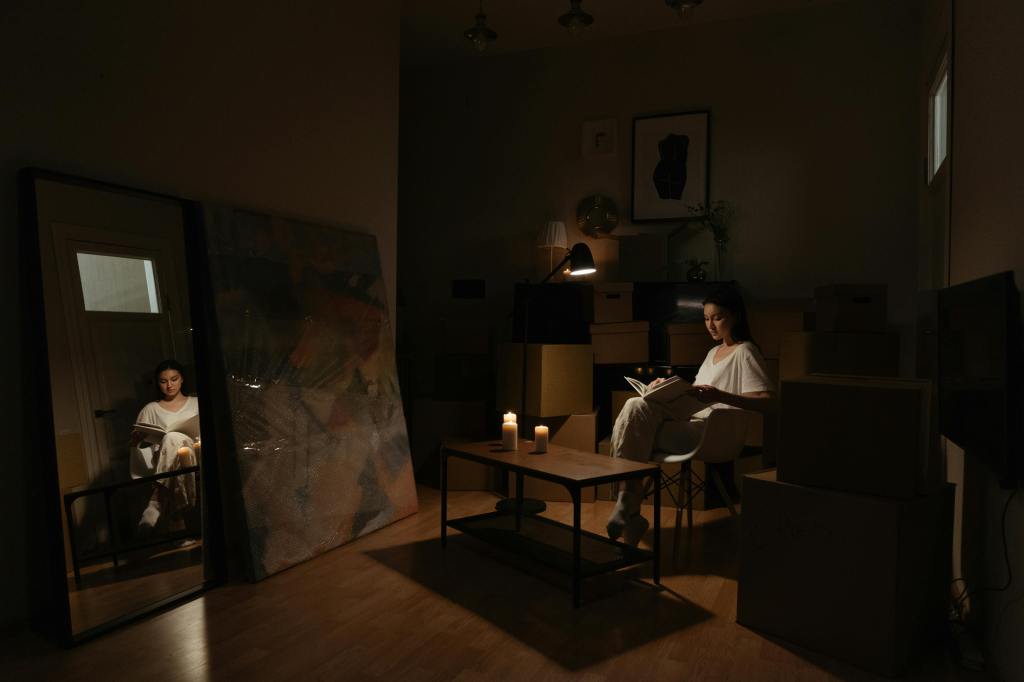
MindTide reminder: Calm isn’t what you do after life calms down,
calm is what you do so life doesn’t consume you.
 MindTide
Leave a comment